
All sites
9 results
La Grave Historic Site
The cradle of the archipelago's settlement, designated a historic site in 1983, this hamlet of traditional cedar-shingled buildings, once devoted to fishing and trade, today houses artisan boutiques, cafés, and the Vieux Treuil performance hall.
Musée de la Mer des Îles de la Madeleine
Overlooking the La Grave heritage site from Cap Gridley, this ethno-historical museum, founded in 1969, has spent more than half a century tracing the archipelago's maritime history and heritage, including the skeleton of a young sperm whale stranded in 2008.
Réserve naturelle des Demoiselles and the Anse-à-la-Cabane Lighthouse
Acquired and protected by the Société de conservation des Îles-de-la-Madeleine, these gently rounded hills overlook one of the archipelago's oldest lighthouses, all framed by the scenic Chemin du Bassin road.
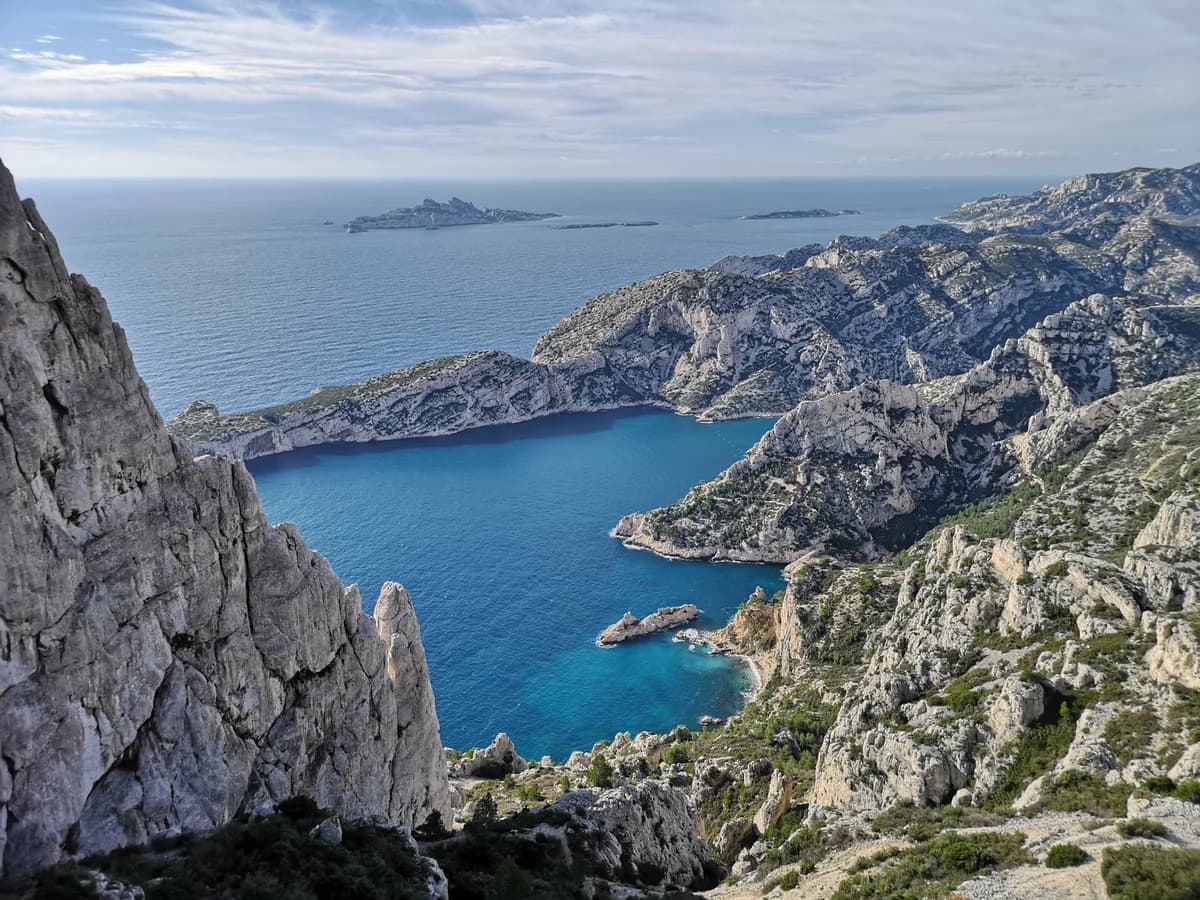
Gros-Cap Park and Its Sea Caves
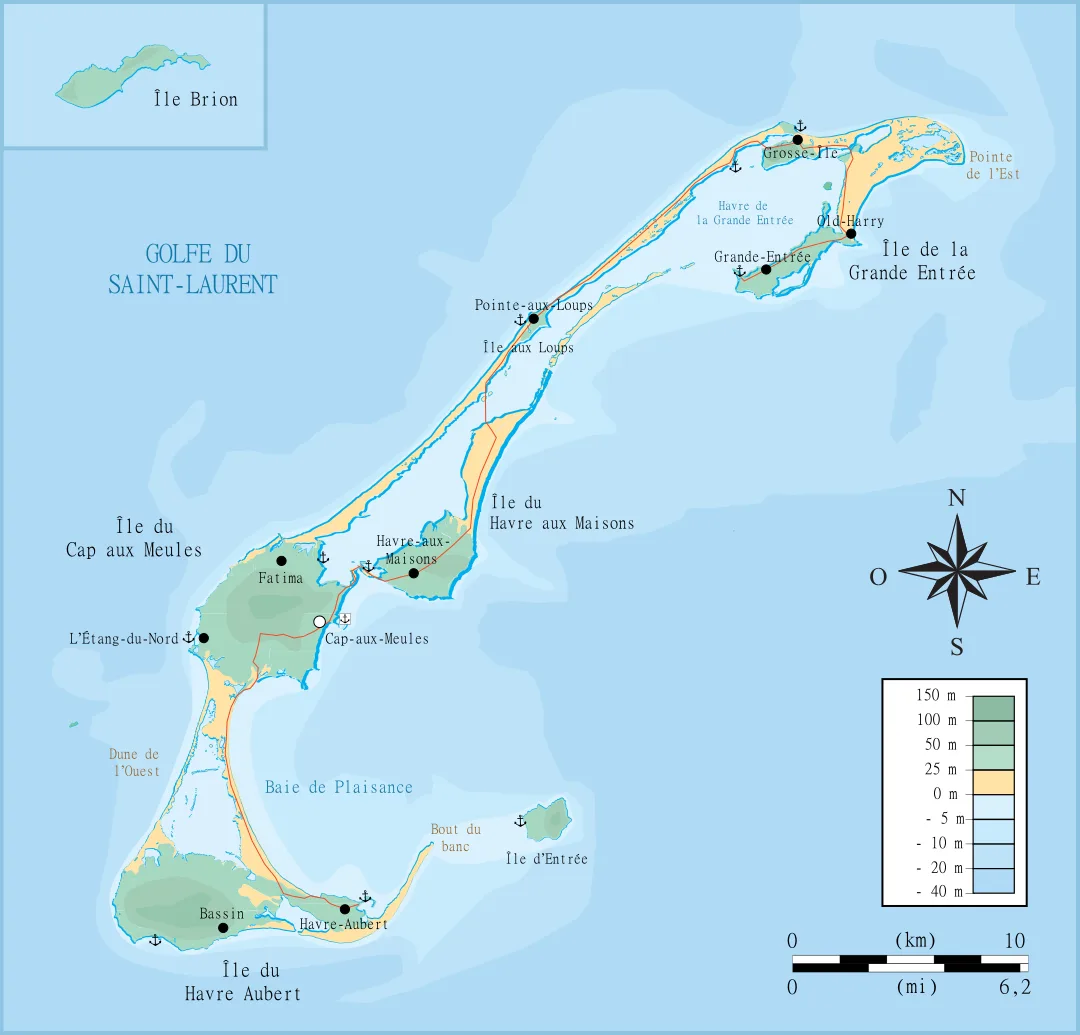
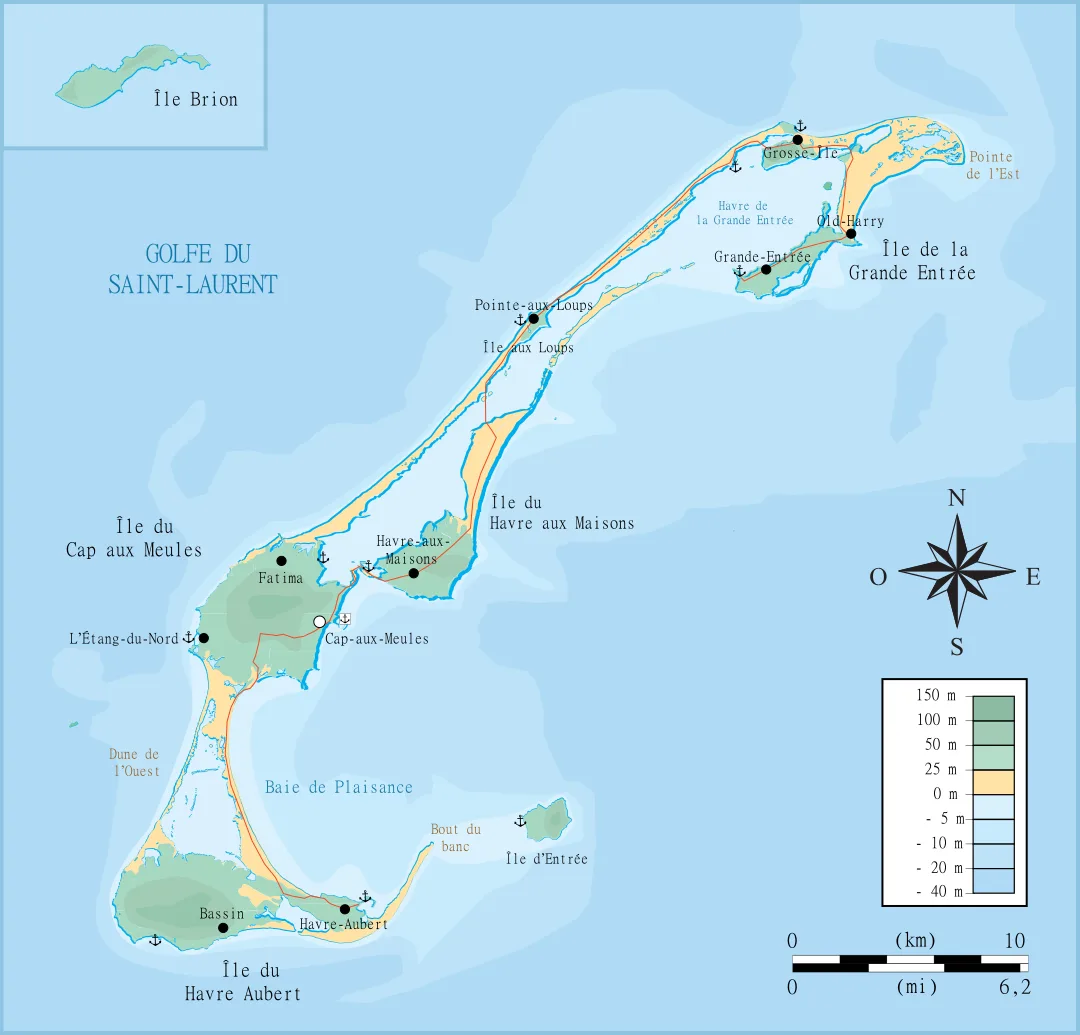
Located on a peninsula at the entrance to Plaisance Bay, this park features a network of caves and tunnels endlessly carved by wave action, explorable by sea kayak in an area especially rich in seabird life.
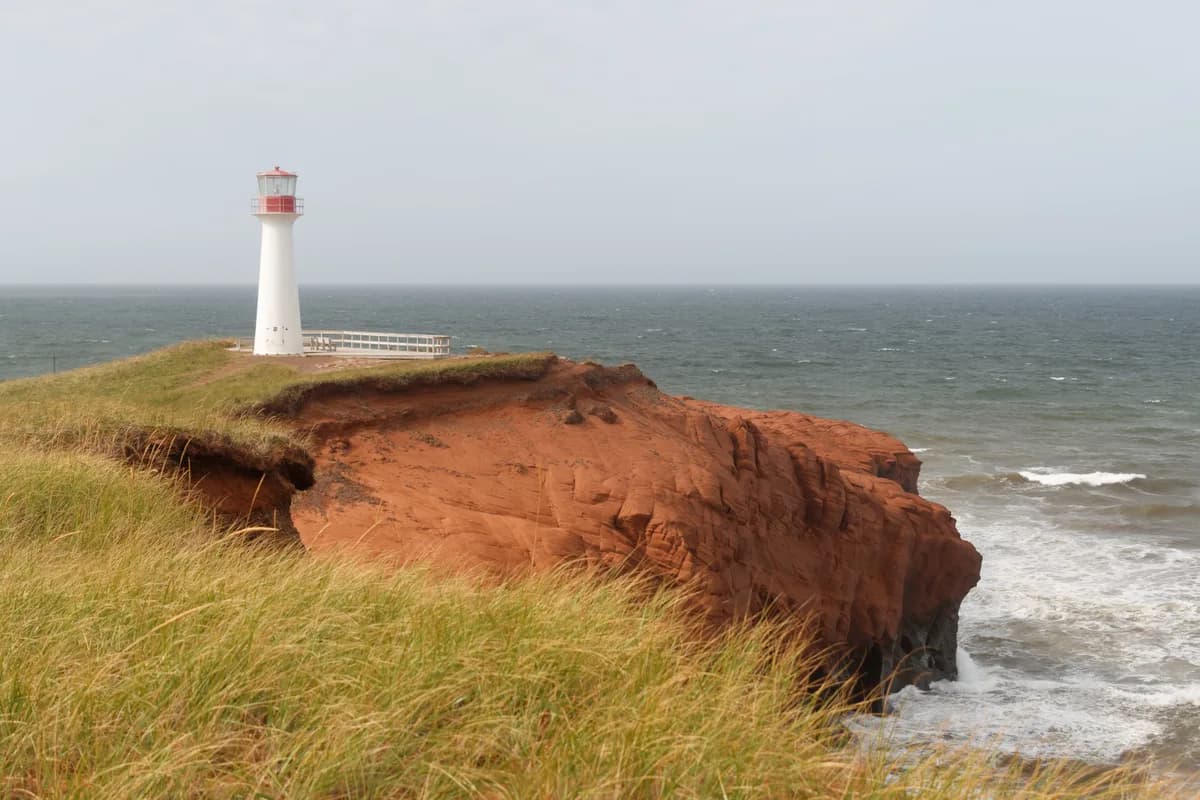
Borgot Lighthouse (L'Étang-du-Nord Lighthouse)
Standing atop Cap Hérissé after a cliff-lined coastal walk, this iconic L'Étang-du-Nord lighthouse offers one of the archipelago's most popular vantage points for watching the sunset over the Gulf of St. Lawrence.
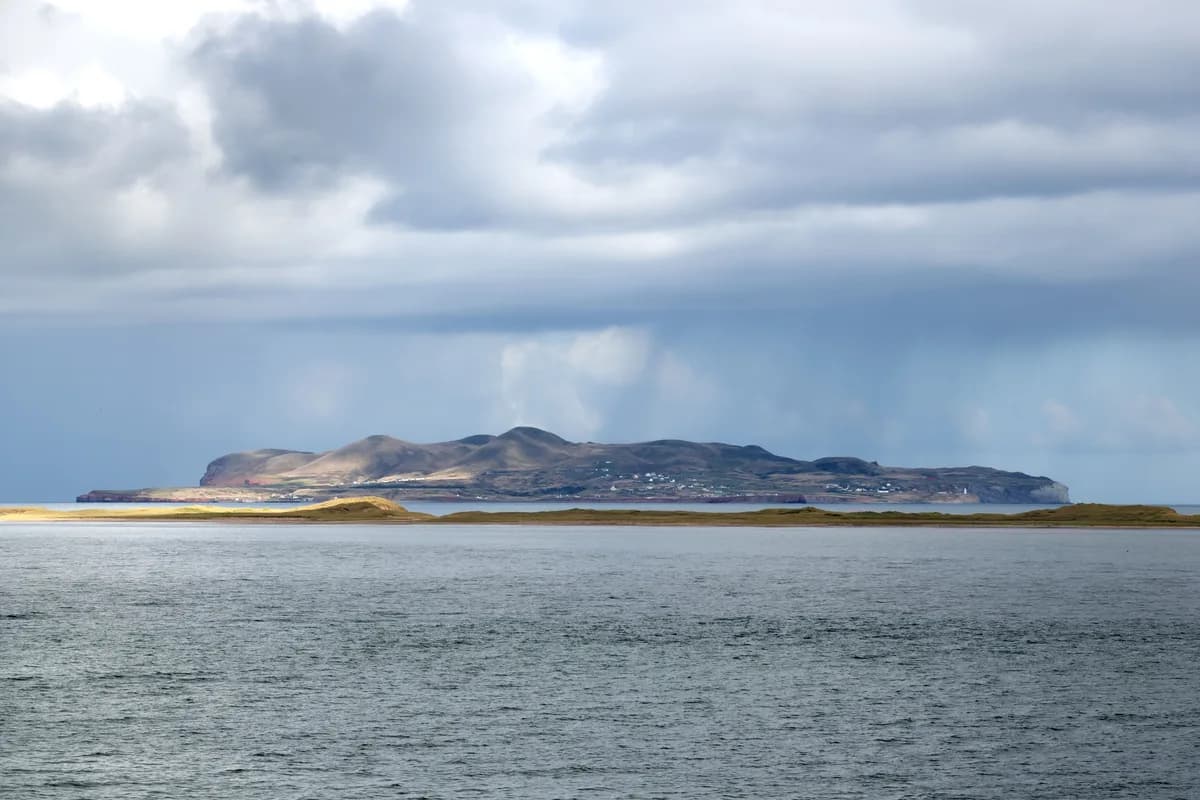
Entry Island (Île d'Entrée)
The only inhabited island of the archipelago not linked to the rest of the territory by land, this island of untouched nature rises to the summit of Big Hill, the highest point in the Îles-de-la-Madeleine at 174 metres, offering a 360-degree panorama over the whole archipelago.
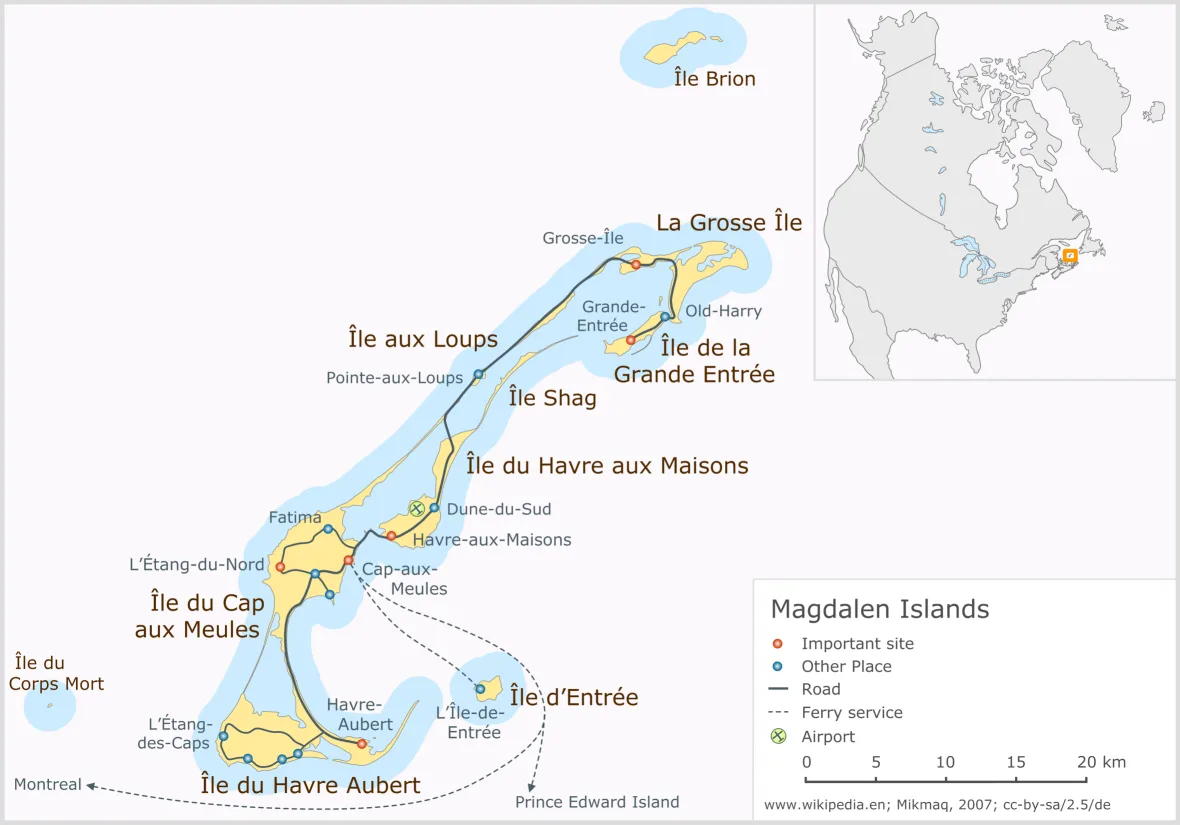
Dune du Sud and Cap Alright Lighthouse
Known for its spectacular red sandstone cliffs concealing caves accessible at low tide, this iconic beach on Havre aux Maisons island is paired with the view from the Cap Alright lighthouse, one of the archipelago's most photographed vantage points.
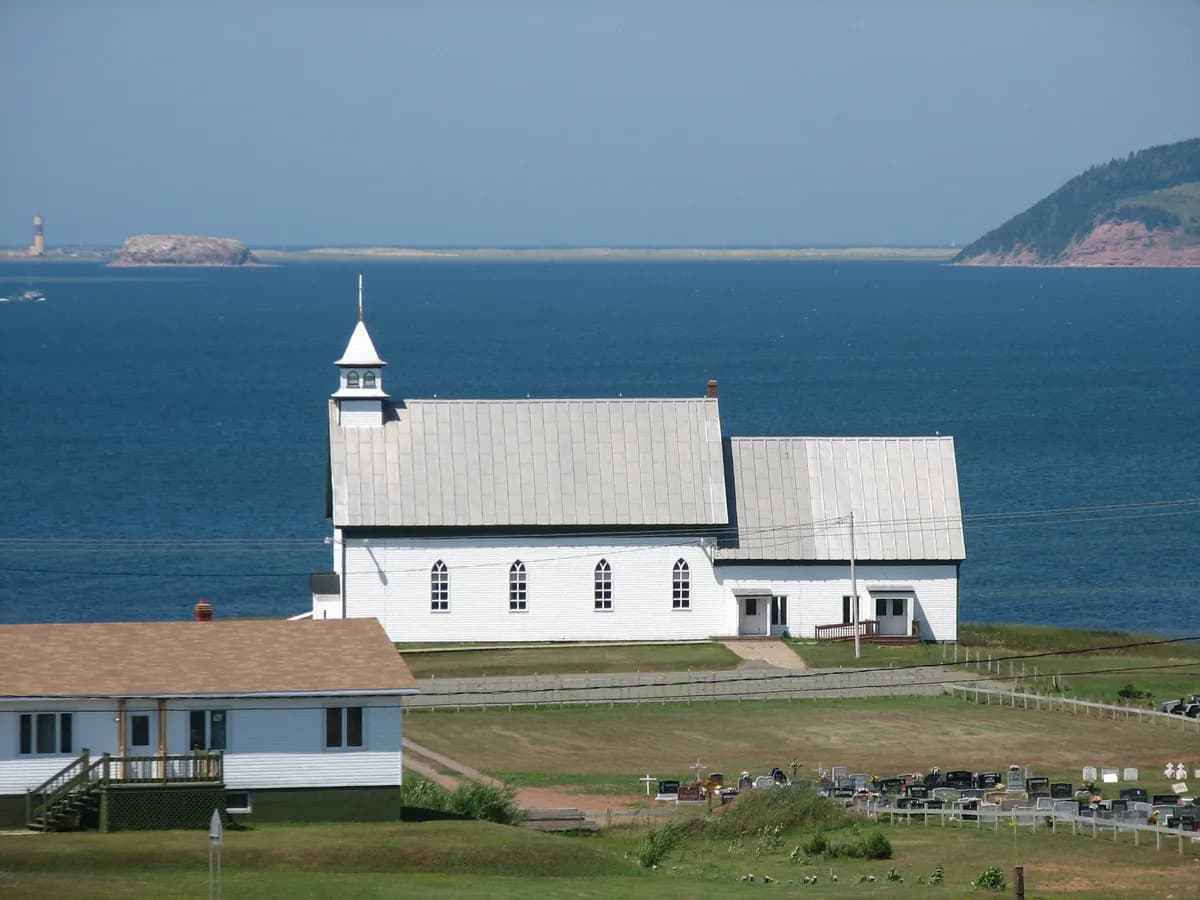
Grande-Entrée, Québec's Lobster Capital
Designated Québec's lobster capital since 1994 and home to more than a hundred lobster boats, this fishing community offers, via the Île Boudreau trail, one of the archipelago's finest panoramas as well as a seal colony visible from shore.
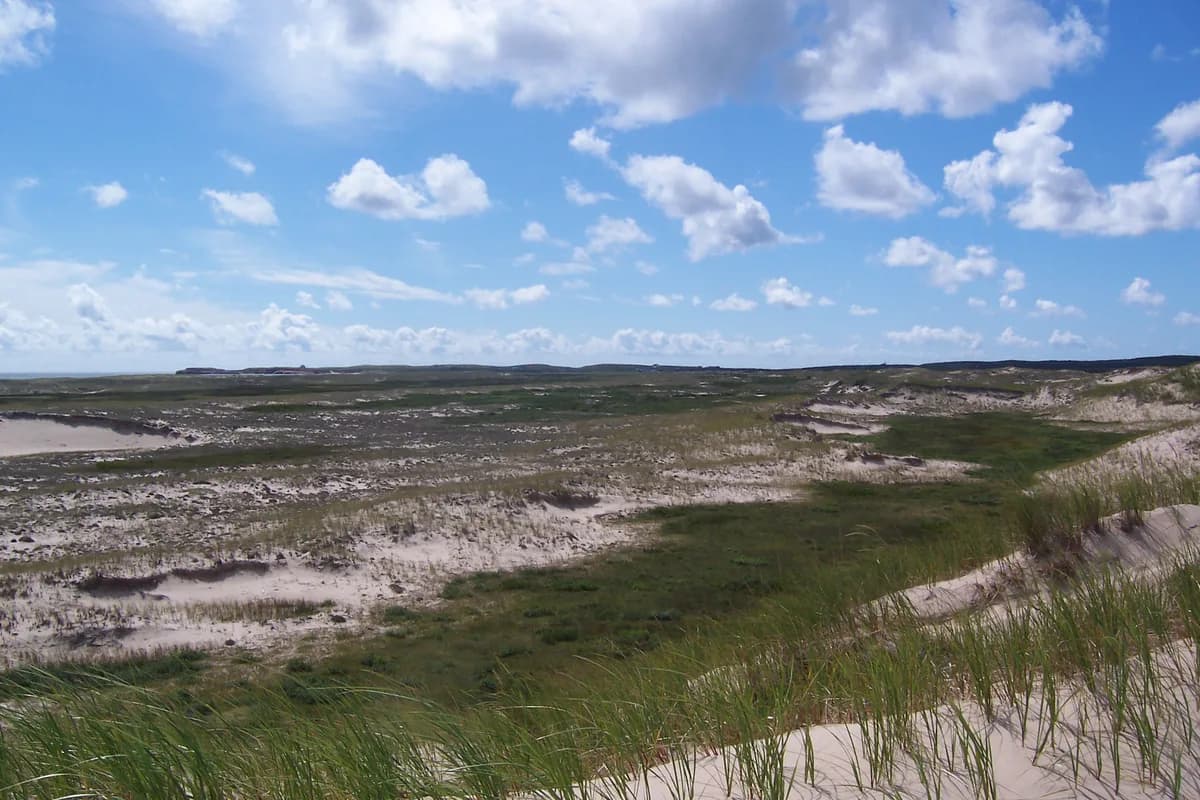
Pointe-de-l'Est National Wildlife Area
A major migratory stopover home to a dune ecosystem unique in Québec, this national reserve with eight kilometres of interpretive trails protects rare bird species such as the piping plover and the Atlantic puffin, beside the seemingly endless Grande Échouerie beach.