
All sites
8 results

La Cité de l'Or
Canada's only historic site offering a genuine underground descent into a former gold mine, this complex offers a day-as-a-miner experience 91 metres underground, complemented by a visit to the still-inhabited mining village of Bourlamaque.
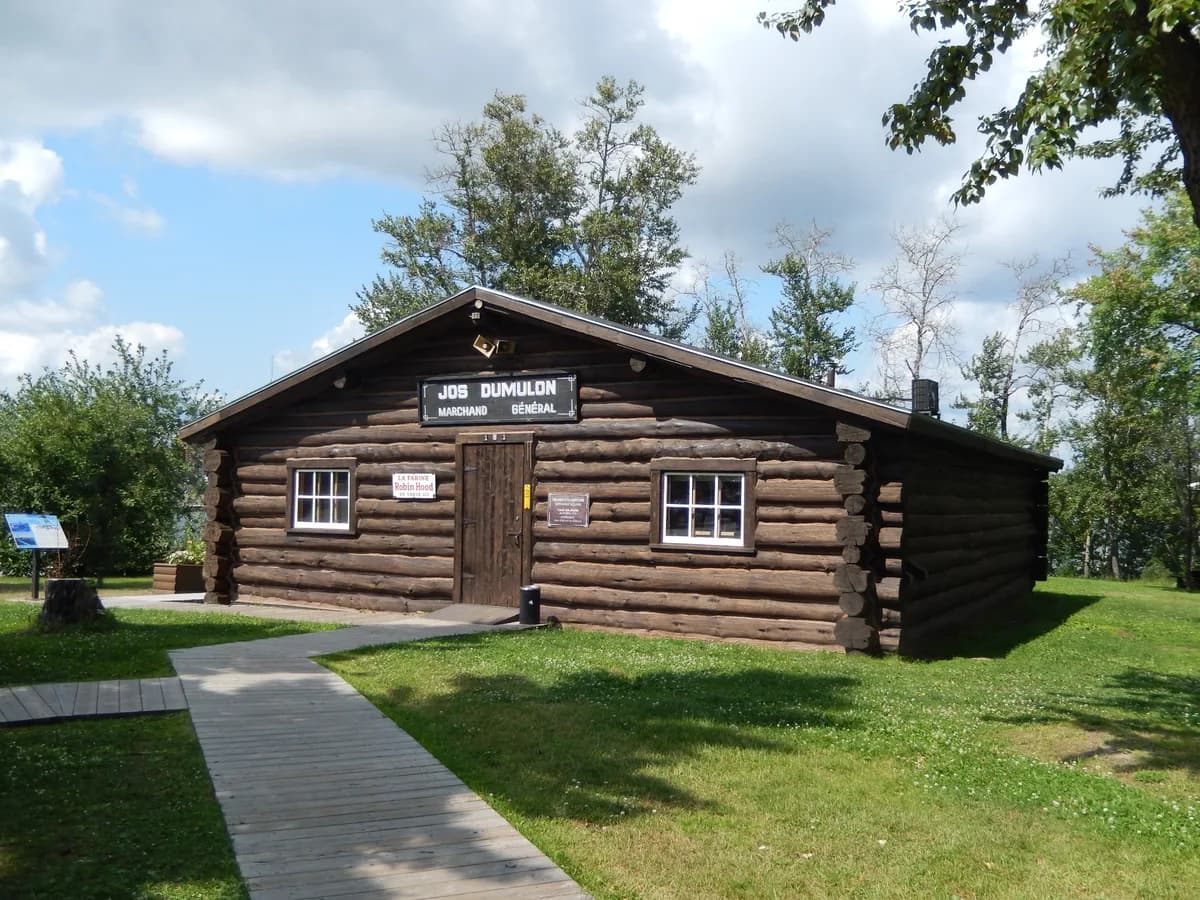
Magasin général Dumulon
The township's first general store, founded in 1924 by the Dumulon family on the shore of Lac Osisko, this authentic store and post office comes back to life today through costumed characters who humorously recount the origins of Rouyn-Noranda's founding.
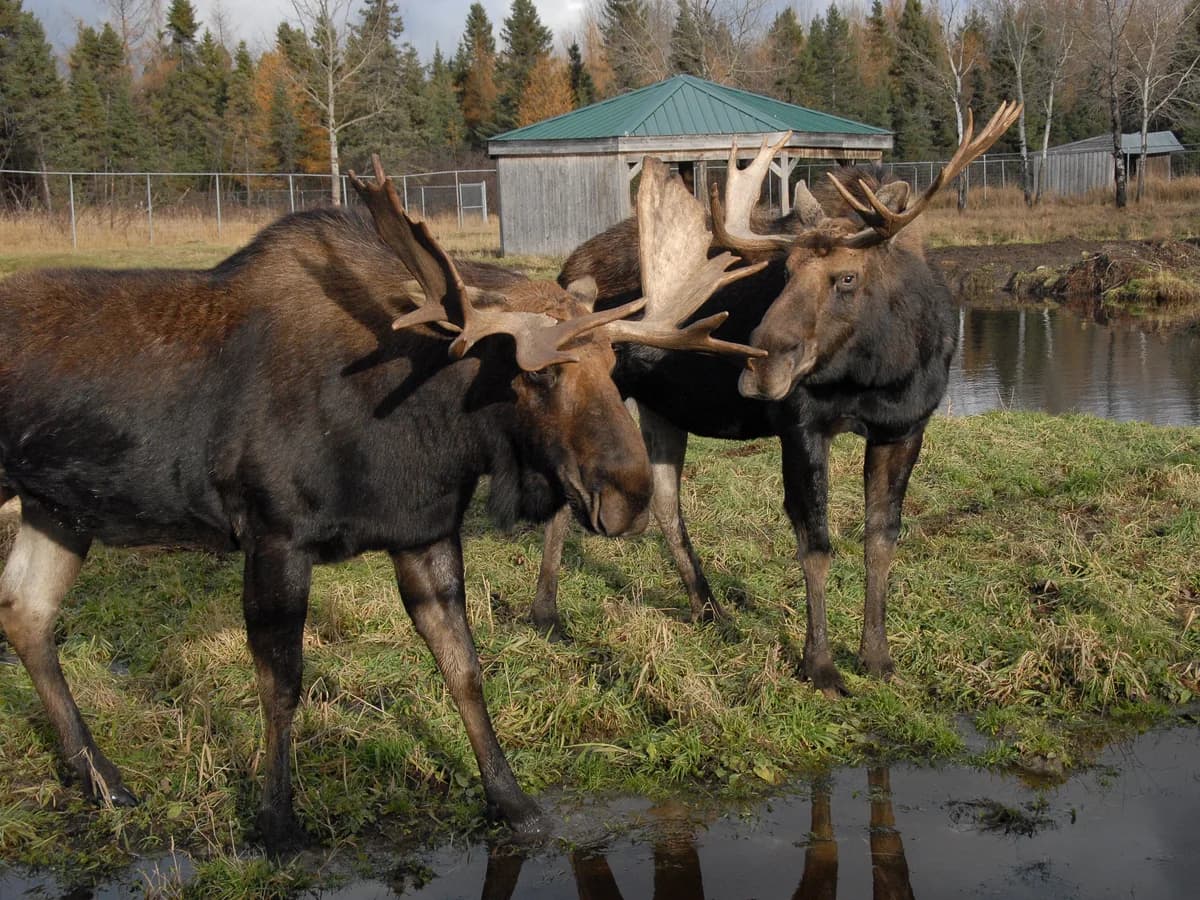
Refuge Pageau
The product of an exceptional relationship between the Pageau family and wild animals spanning more than 30 years, this refuge takes in, treats, and rehabilitates moose, wolves, bears, and birds of prey in distress, offering them permanent shelter when needed at the heart of the boreal forest.
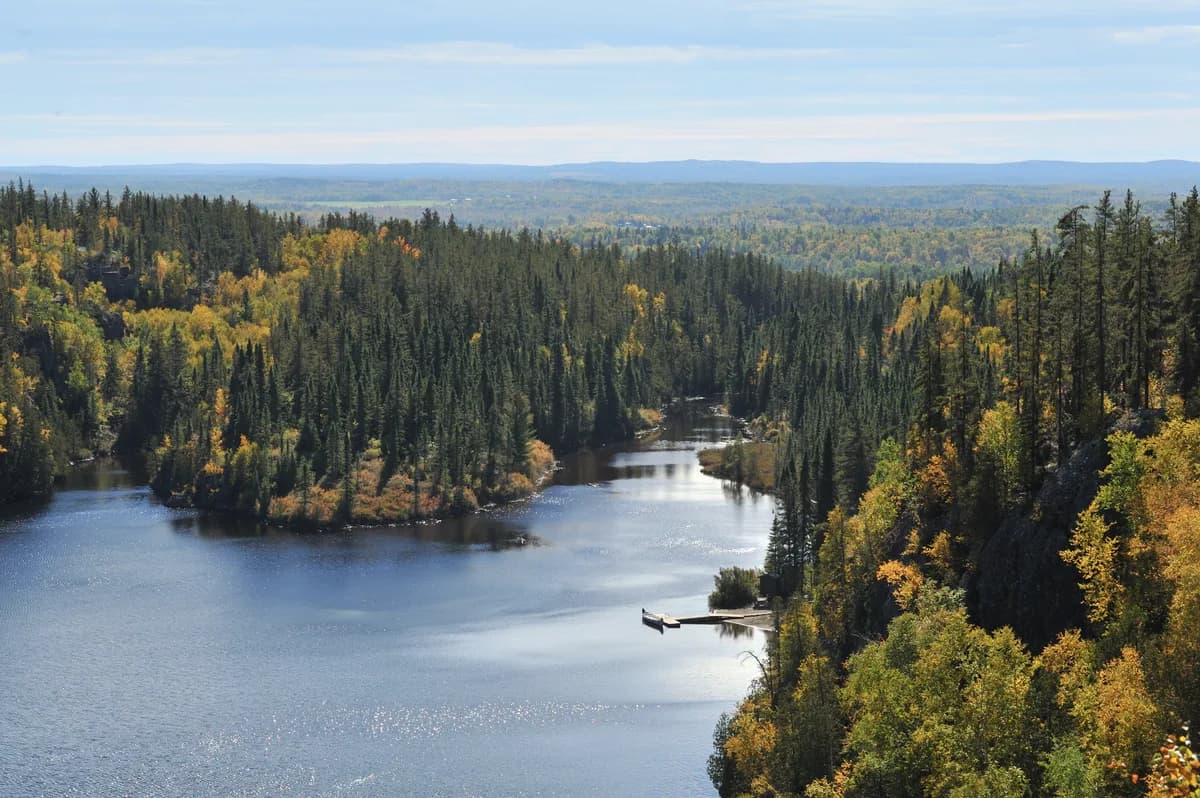
Aiguebelle National Park
Located at the geographic heart of the quadrilateral formed by Val-d'Or, Amos, Rouyn-Noranda, and La Sarre, this park, created in 1985, protects the Abitibi clay belt and the Abijévis hills, right along the watershed divide between Hudson Bay and the St. Lawrence.
Sainte-Thérèse-d'Avila Cathedral
North America's only Romano-Byzantine-style cathedral, this circular structure, built in 1922–1923, stands out for its copper-clad reinforced-concrete dome, its French stained glass from Rennes, and its Venetian mosaics, the fruit of a founding journey by settlers who arrived by canoe along the Harricana River.
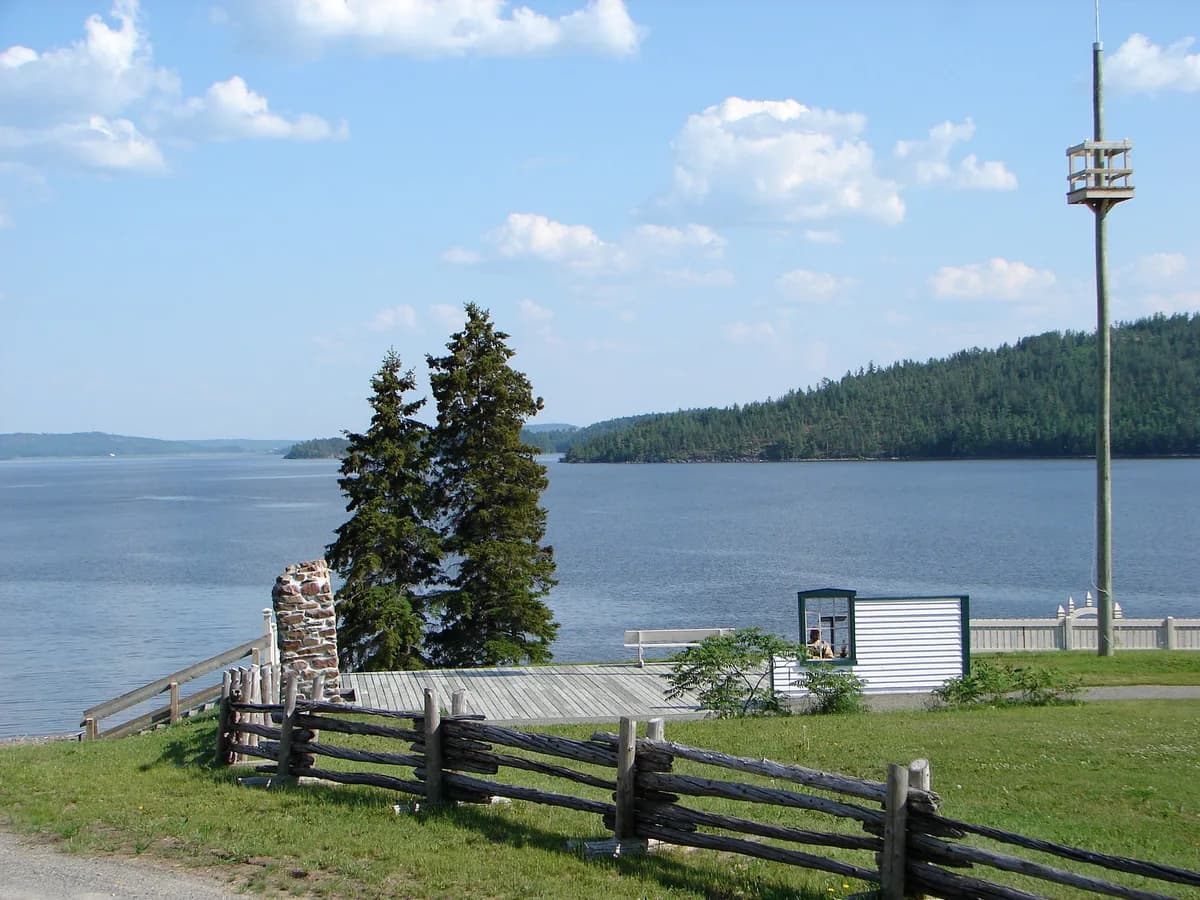
Fort-Témiscamingue–Obadjiwan National Historic Site
A fur-trading post frequented by the Algonquin for centuries, this historic site on the shore of Lake Témiscamingue traces more than two centuries of French, then British, occupation, built around a strategic location at the crossroads of northern trade routes.
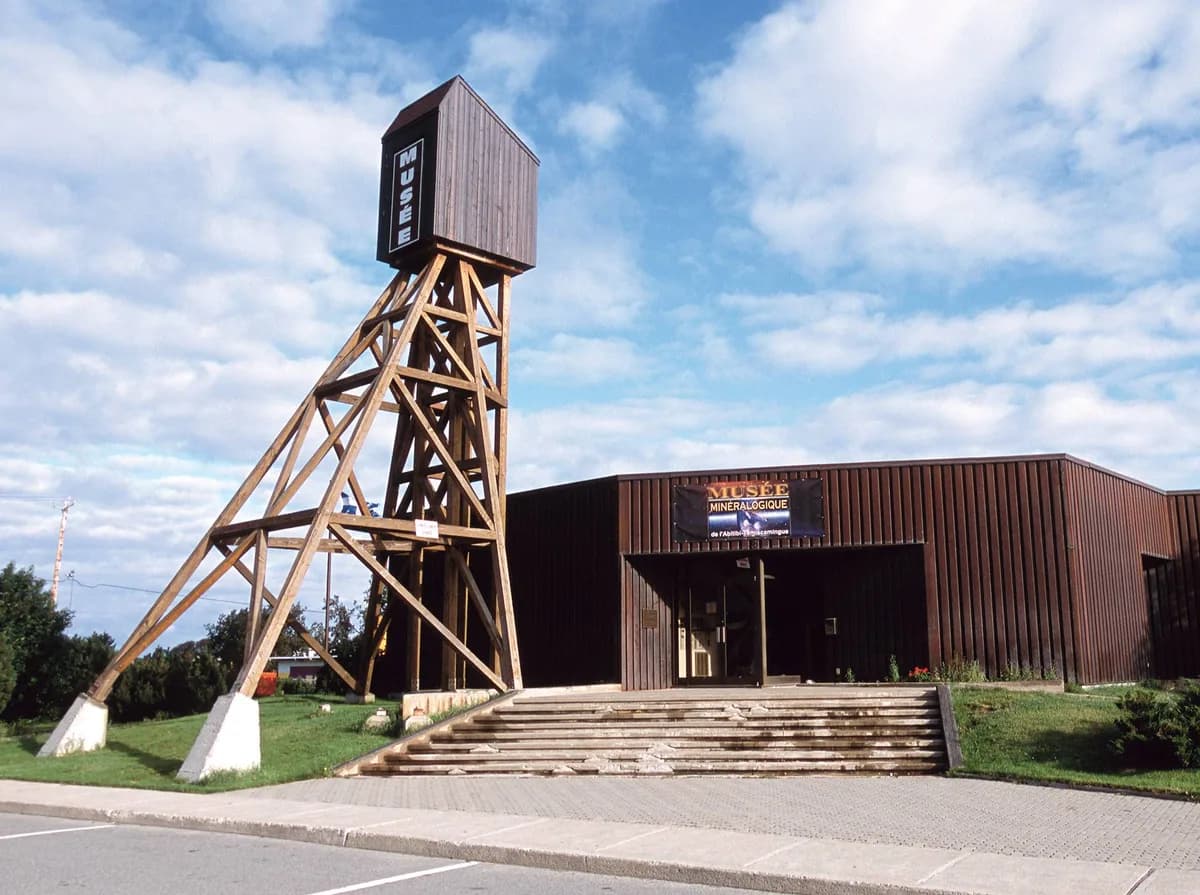
Abitibi-Témiscamingue Mineralogy Museum
The only museum of its kind in Québec, this institution offers an immersive family exhibition on the fascinating world of minerals and rocks hidden beneath the Earth's surface, highlighting the geological wealth that founded the region's mining economy.
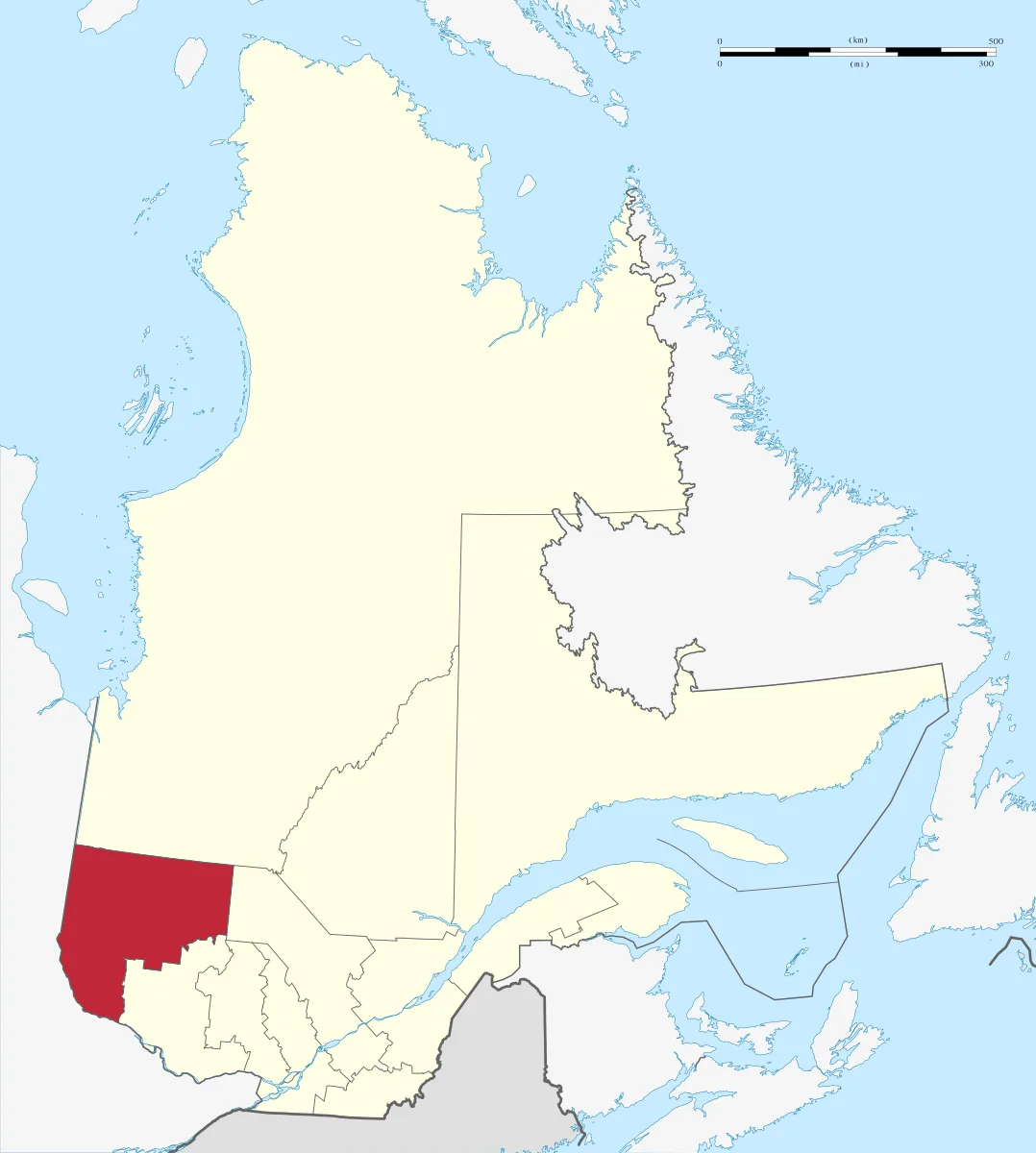
Lake Témiscamingue and the Logging Route
A natural widening of the Ottawa River straddling the border between Québec and Ontario, this vast body of water shaped the regional forestry economy as early as the 19th century, its shores still home today to picturesque villages and four-season water activities.